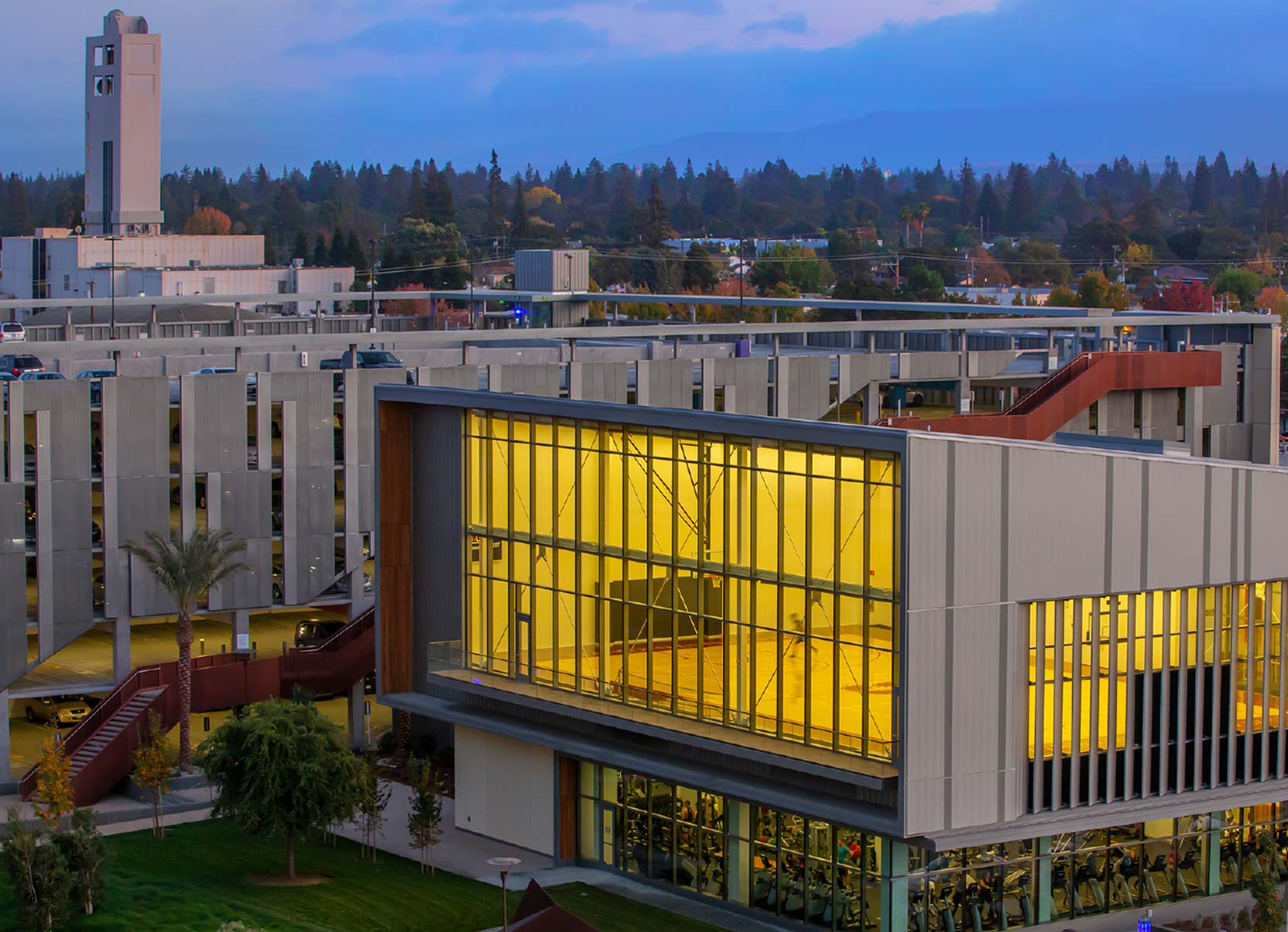
During a year of significant transition, SRWC built systems designed to absorb change. Centralizing paper storage, bulk purchasing, and coordinating deliveries reduced waste, costs, and operational strain while increasing reliability. By streamlining workflows and minimizing disruptions, these efforts advanced the campus toward its sustainability goals amid evolving demands and constraints.
Reducing Cost, Time & Risk
Centralized printer paper logistics at the Redwood City campus has significantly reduced the operational overhead required to manage inventory. Previously, staff spent considerable time receiving, breaking down, and storing frequent pallet deliveries from Amazon. Now, paper is stored at SRWC and delivered weekly to the Stanford campus, minimizing disruptions.
Cardinal Print has reduced both per-unit paper costs and shipping expenses. Bulk purchasing and fewer deliveries have led to more favorable pricing and lower overall transportation costs.
The new paper delivery and storage model has also reduced stress associated with unpredictable shipments, space constraints, and last-minute shortages. Coordinating deliveries with the campus mail team has improved workflow alignment and minimized disruptions to daily operations.
Sustaining Partnerships

Building on the success of pilot programs over the past year, SRWC Operations partnered with our custodial service provider to deploy Biom and Soap2O in three campus buildings. We collaborated with Recology to ensure waste signage was compliant and consistent across campus, and introduced new waste bins for events.
Removing Barriers to Waste Sorting
In alignment with the university’s zero waste goals, we leveraged our partnership with Stanford’s Office of Sustainability and the Sustainable Stanford Fellowship program to generate valuable insights into the waste behaviors of staff, supporting efforts to reduce waste.
Effective waste sorting is not just about having the right bins it is about making the right behavior easy and intuitive. During the 2024-2025 academic year, SRWC partnered with Stanford’s Office of Sustainability and the Sustainable Stanford Fellowship program to identify obstacles that prevent proper waste sorting at campus events. By understanding staff behaviors and implementing targeted interventions, the project removed barriers, encouraged sustainable habits, and reduced the amount of waste sent to landfill.
SRWC welcomed its inaugural fellow, tasked with investigating waste sorting behavior and deploying behavioral interventions. The project identified key opportunities in the event planning process, including:
- Providing only recyclable or compostable foodware items
- Ensuring adequate capacity for compostable material by utilizing larger or multiple compost bins
- Removing landfill bins when all items can be recycled or composted
- Monitoring bins to set a positive example and encourage proper sorting

“It’s easy to think about the waste we produce as just the small bin that sits in the corner of the kitchen, but at the start of my fellowship, I went to one of our local recycling facilities and got to see – and smell – the real scale of the waste our campus community produces.”
Sarah Paulson, Student Fellow
With more people wanting to properly sort their waste, and an environment that makes it easier to do so, our campus can pave the way for meaningful reductions.
Paulson also emphasized, “Employees at these recycling facilities are doing their job, hand sorting through the waste they are given to get it properly recycled. So it is our job to get the right materials into the recycling bin so that they can be sorted – otherwise they get sent to the landfill and never get used again.”
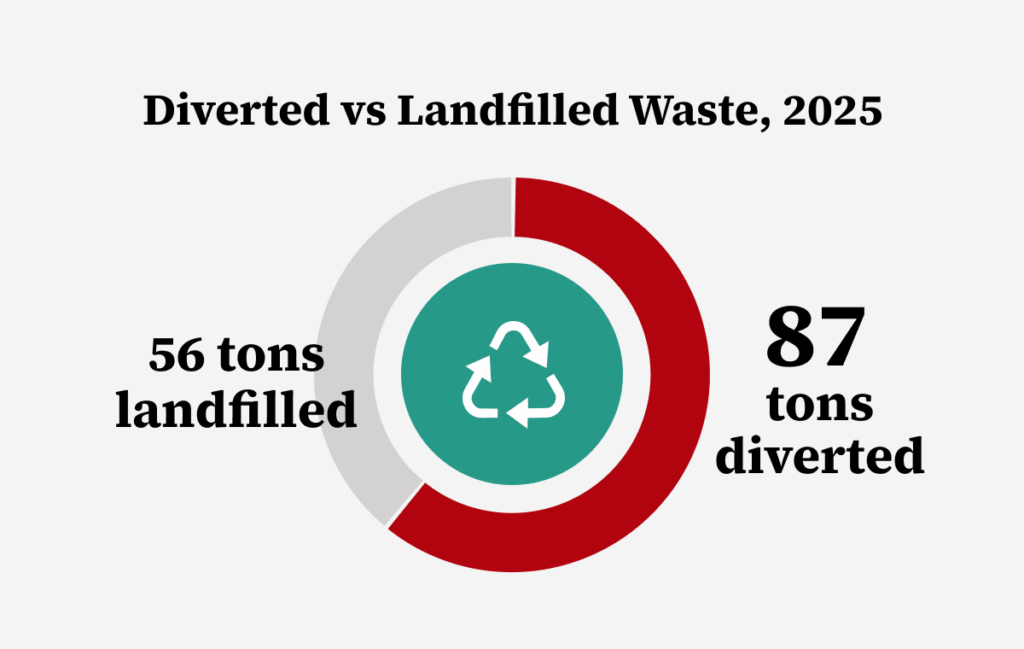
This collaboration with the Sustainable Stanford fellowship program provides students with opportunities to lead projects that advance Stanford’s sustainability goals while making measurable impacts on campus operations.