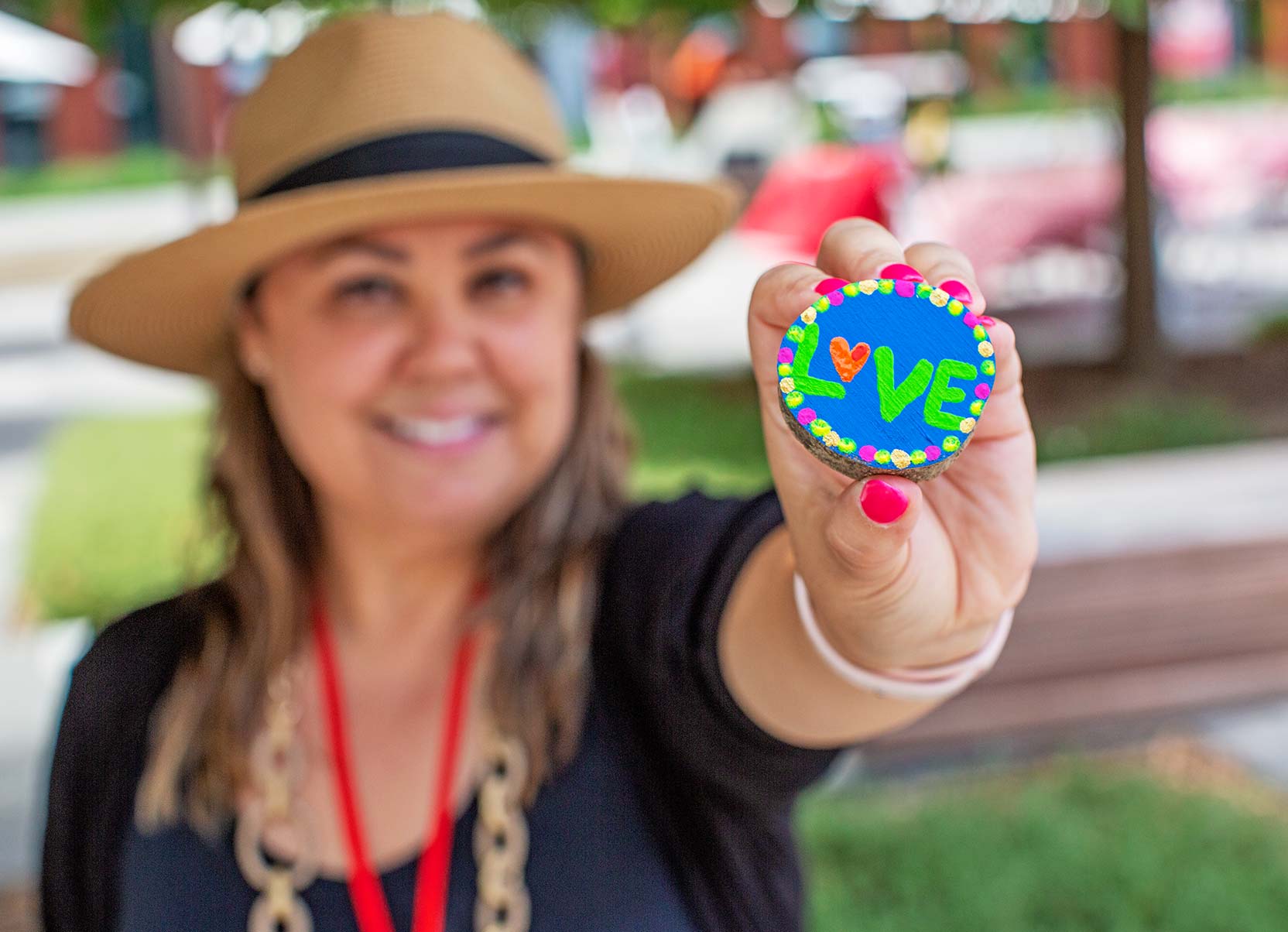
Stanford Redwood City deepened campus connections and our impact beyond campus by activating our physical space, serving our local community, and designing interactive and transparent communication tools.
Communal Space Activation
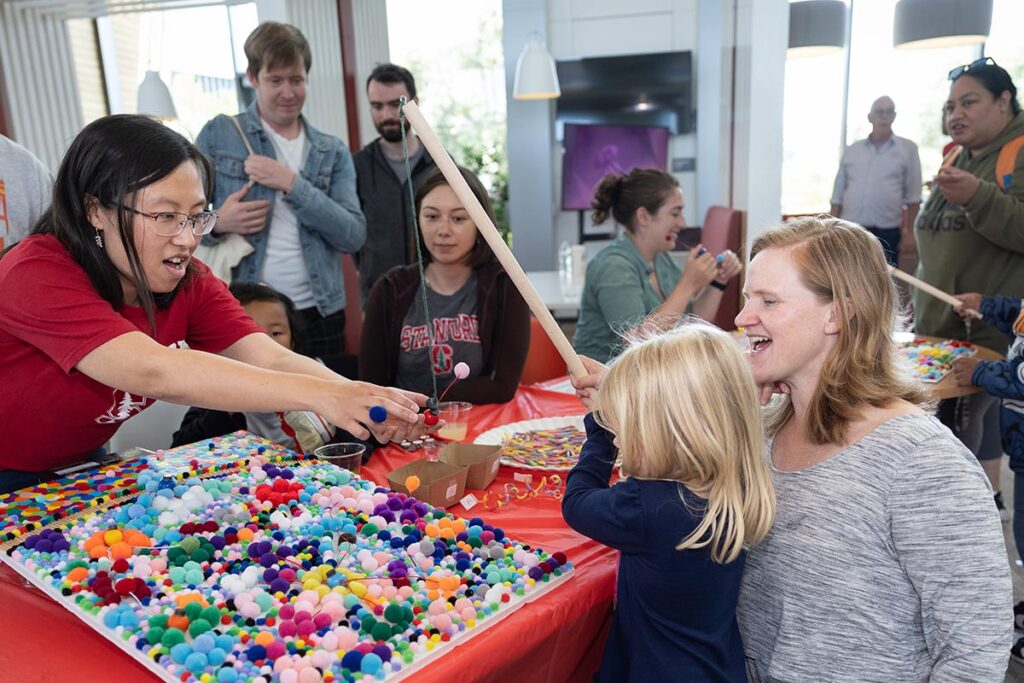
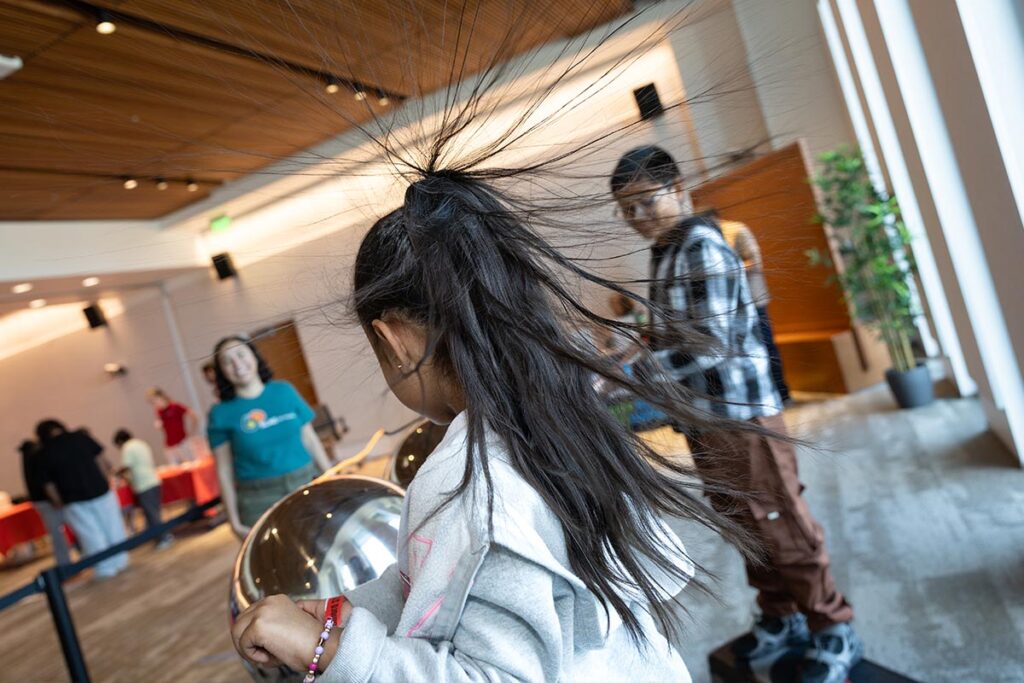
Our community successfully leveraged campus infrastructure to welcome 400 neighborhood families alongside campus staff. Co-hosted with the Office of Community Engagement (OCE), STEMfest transformed Cardinal Hall conference rooms, the Dining Pavilion, and the café into hands-on interactive demonstration zones.
Concurrent programming, high foot traffic, and diverse learning opportunities were all experienced while maintaining safe, welcoming, and efficient operations. This approach highlighted our ability to seamlessly transition beyond traditional workday use to expand Stanford’s reach as a community resource. Through operational partnership, we are maximizing the value of our physical spaces and creating inclusive, accessible environments that foster learning, connection, and community impact.
Community Service

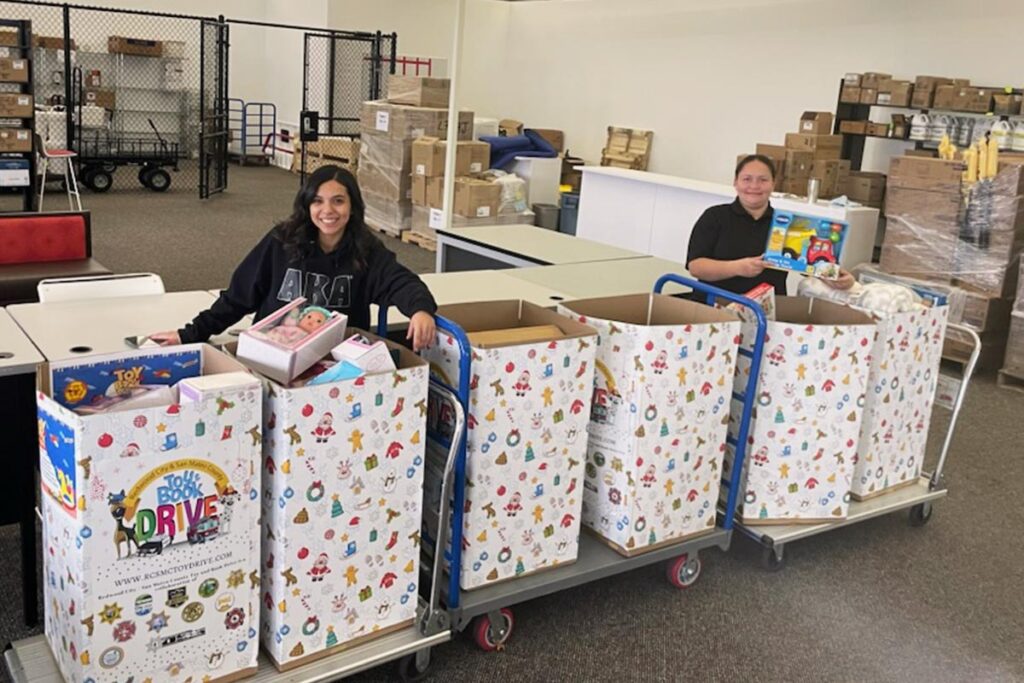
Stanford Redwood City maintains a commitment to ongoing partnerships that support education, wellness, and service. These initiatives reflect our dedication to being an active, responsive, and generous partner to the surrounding community.
Supporting Local Children & Families
SRWC has proudly supported the Police Activities League (PAL) through its annual Toy & Book Drive and Back-to-School Drive, providing essential resources to local children and families. During the holiday season, SRWC staff came together to Adopt-a-Family at Taft Elementary School, uniting our campus community to support local families through thoughtful gift giving and essential item donations.
Promoting Human & Animal Welfare
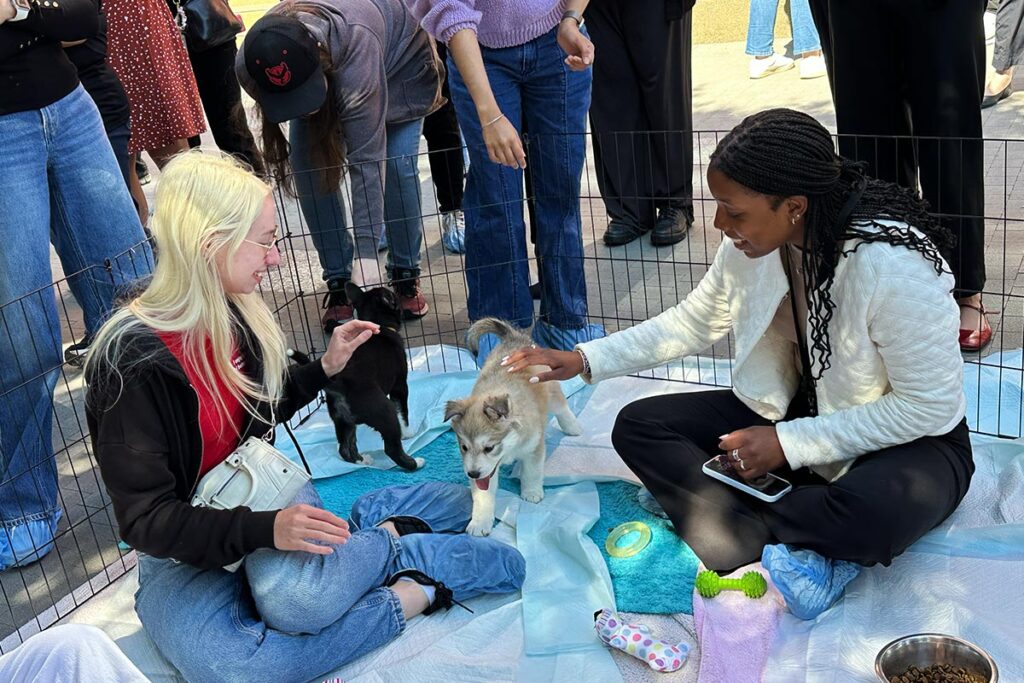
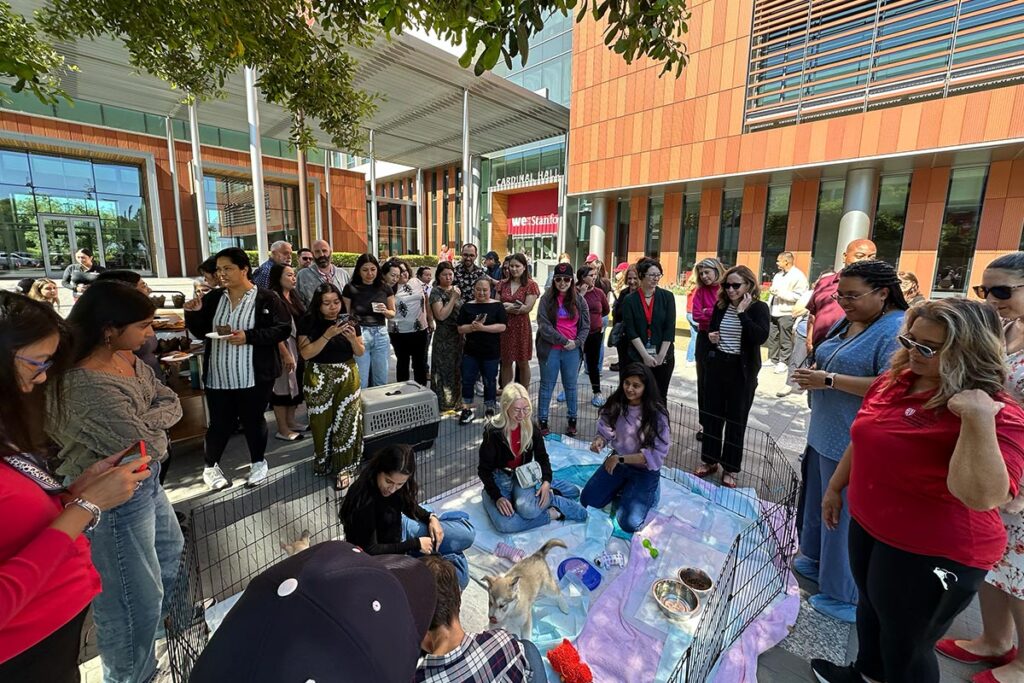
SRWC partnered with Pets In Need, a local no-kill animal shelter, to host Yappy Hours that brought staff in support of animal welfare and adoption. It also gave staff a necessary breather from their busy days.
In partnership with the Stanford Blood Center, SRWC hosted quarterly blood drives, making it convenient for staff to give back in a meaningful way during the workday.
Communication Connections
Our community consistently expresses a desire to be informed and to feel included. In response, we built a resilient communication framework to carry the campus forward. At the core of this improved communications system is the belief that trust is built through clarity, connection, and consistent support of the community.
- Connection through storytelling: To strengthen our sense of belonging, our newsletters, digital displays, and Slack channels include stories of people working behind the scenes that reflect shared values and everyday impact. Readers are invited to participate and share information.
- Event Planning Website: A revamped event planning webpage enables occupants to easily find event spaces and rental equipment. By pairing visuals with descriptions, we made it easier for people to envision what was possible and confidently plan gatherings that bring the campus together.
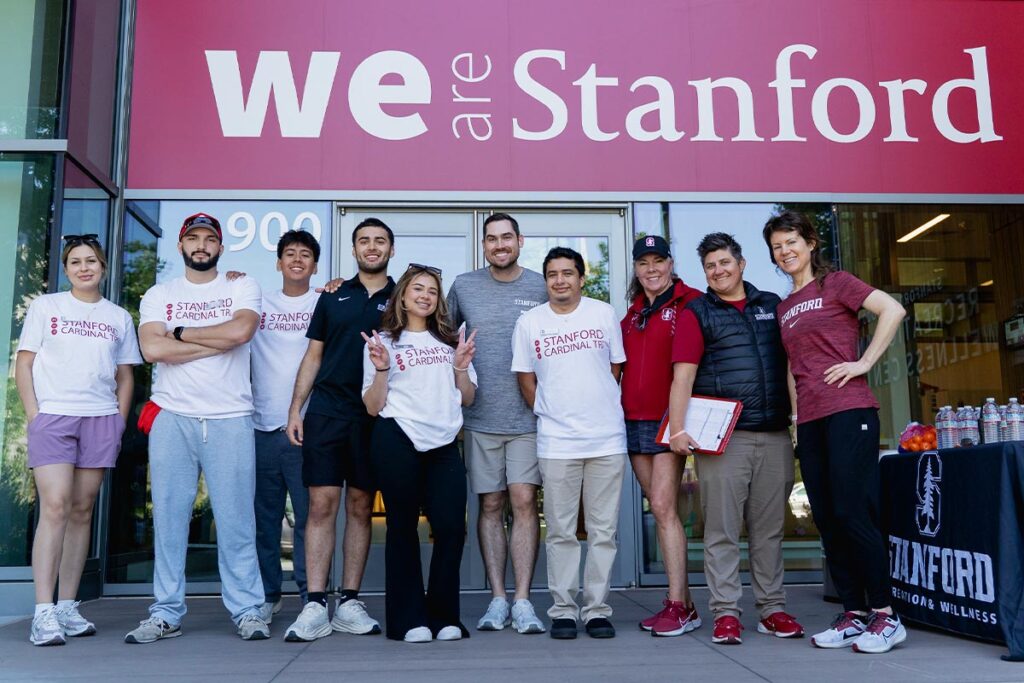
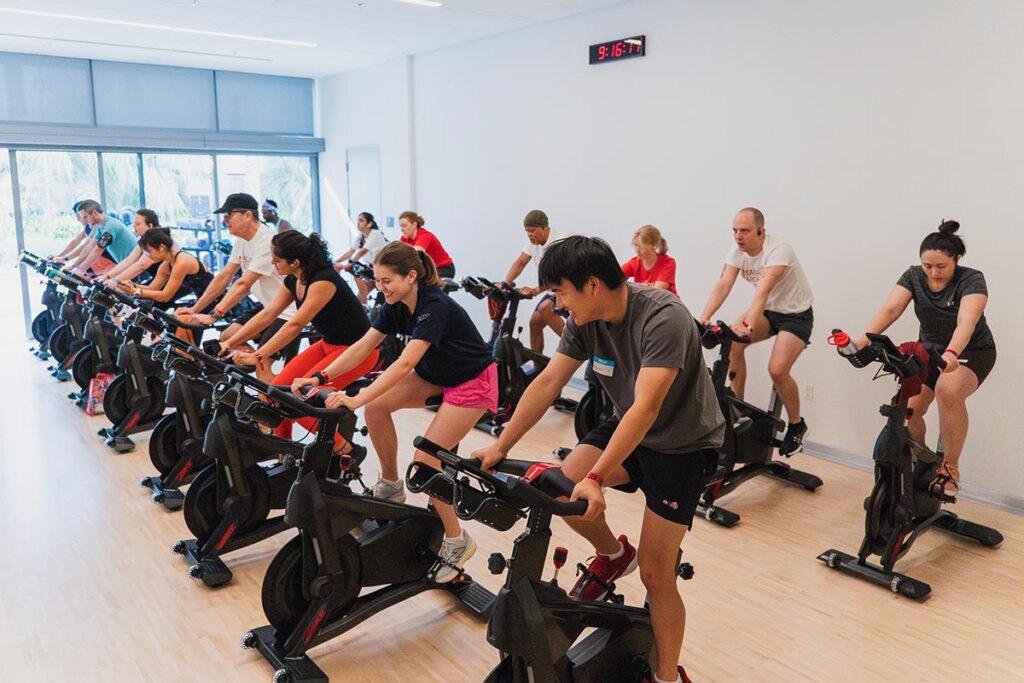
- Photo Library: To create a shared visual record of campus life, we hired photographers for large events and used the professional photos to build a central media library. These images create a way for people to see themselves reflected in the story of SRWC.
- Emergency Communications: Timeliness and trust are essential. We initiated consistent updates around maintenance, repairs, power outages, and urgent incidents, such as guiding the staff during a fire alarm in Academy Hall. We maintained communication lines during moments of heightened concern, such as the recycled water crisis.
- Reflecting on Progress: We published our first Year in Review for 2023-2024 as a measure of how the campus adapts, evolves, and builds trust together.
Our more streamlined communications system is rooted in consistency, empathy, and care. Our community is better informed, heard, and connected, enabling us all to confidently navigate campus operations, especially during times of change.